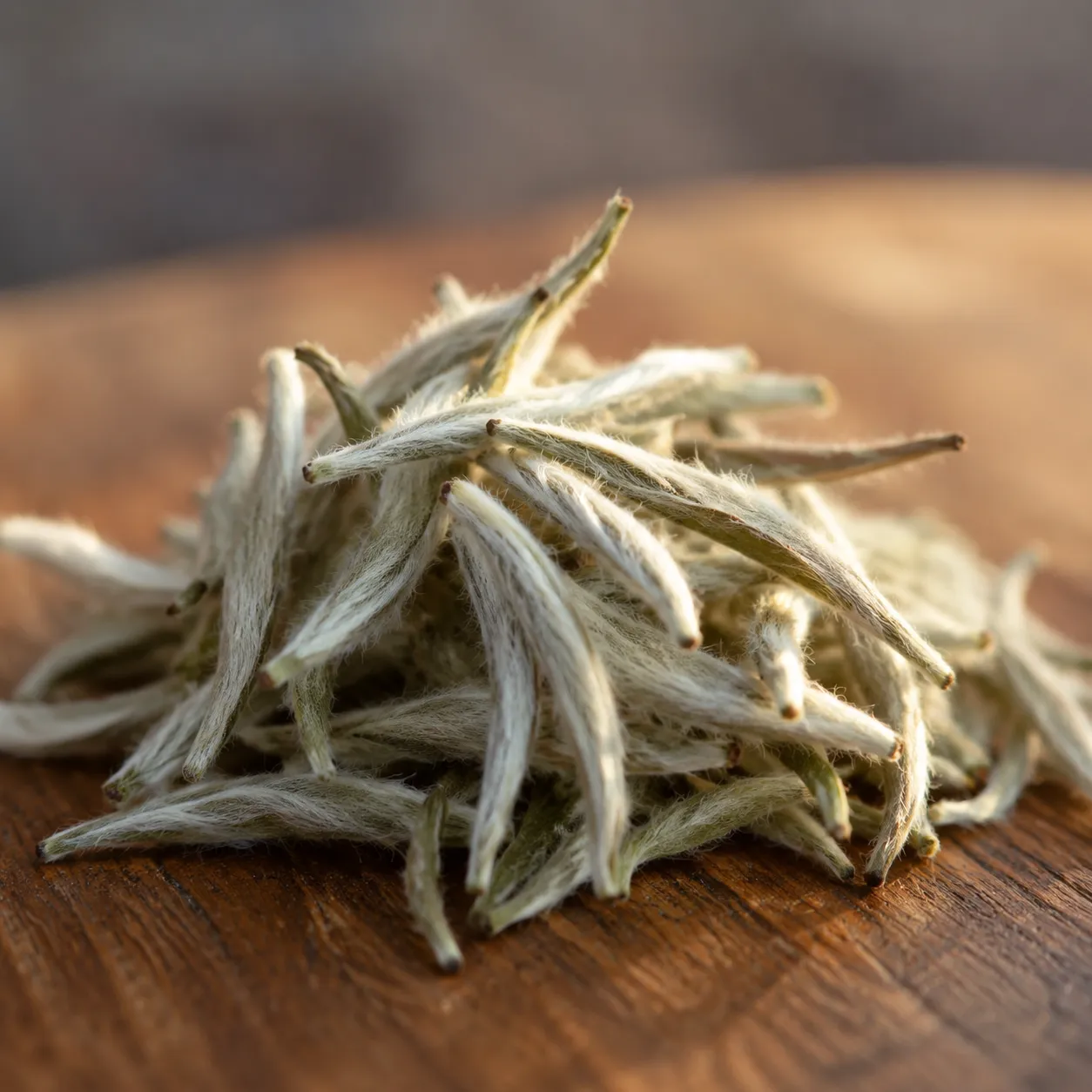
White Tea 白茶 bái chá
The least processed of all teas — simply withered and dried, with no rolling, pan-firing, or oxidation. This minimal intervention preserves …
The Defining Process
How White Tea Is Made
Withering
萎凋 — wěi diāo — 'to wither'
White tea production involves withering — laying freshly picked leaves out to rest for one to several days — then drying. No fixing, no rolling, no deliberate oxidation step. But during the long wither, a small amount of natural oxidation occurs as cell walls relax. It's minimal but real, and it produces the honey and hay notes that characterize the category. White tea isn't truly unoxidized; it's just unintentionally, gently oxidized. And because the oxidative enzymes were never deactivated, slow transformation continues for years — honey deepens, fresh hay becomes dried fruit. Aged white tea is a distinct and serious subgenre.
Oxidation
0% (unoxidized)
Caffeine
Low
Brew Temp
175-185°F
Typical Price
$10-60 / 100g
Straight Answers
Common White Misconceptions
White tea isn't truly unoxidized — gentle, unintentional oxidation during the long wither is exactly what creates its honey and hay notes.
White tea isn't always buds only. Silver Needle is — one unopened bud per pick — but White Peony uses one bud with one or two young leaves, which gives it more substance and makes it a better everyday tea.
White tea ages, which almost no other delicate tea does — because the enzymes were never killed, the leaf keeps slowly transforming for years.
The one-liner: Withered and dried; minimal natural oxidation produces honey, hay, and subtle fruit.
3 Famous White Teas
Our White Tea Guides
Click any tea for its full page — flavor profile, exact brewing parameters, buying tips, and common scams.
 White
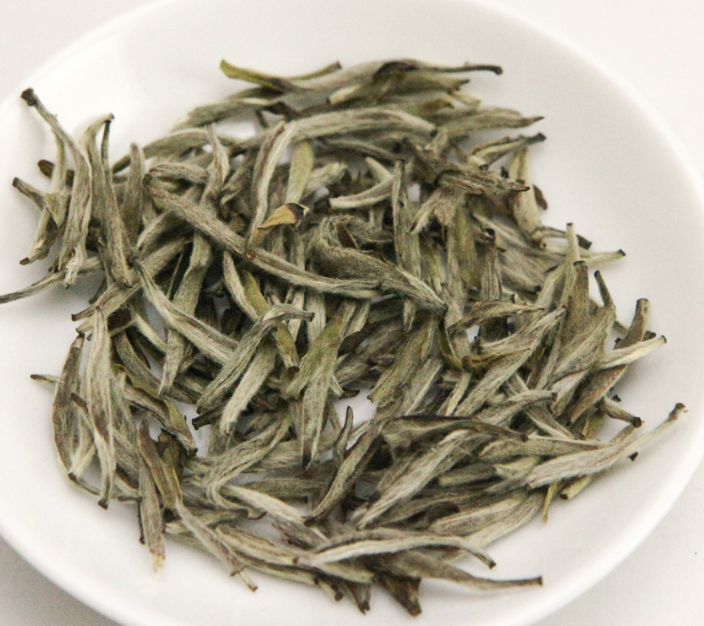
WhiteSilver Needle (Bai Hao Yin Zhen) 白毫银针
Fuding and Zhenghe, Fujian
Soft, melon, hay, natural sweetness
Full guide + buying tips
 White
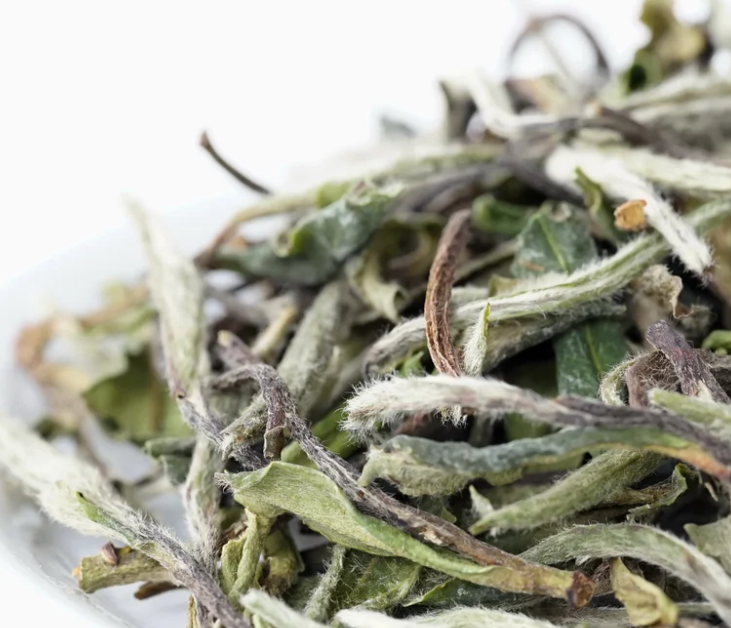
WhiteWhite Peony (Bai Mu Dan) 白牡丹
Fuding and Zhenghe, Fujian
Soft, fruity, floral, fuller body
Full guide + buying tips
 White
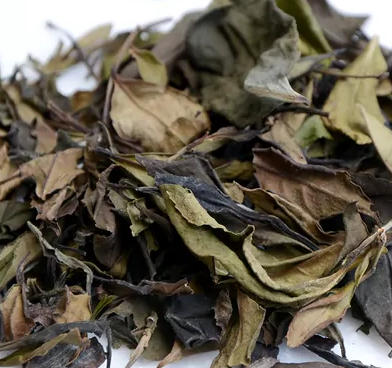
WhiteShou Mei (Longevity Eyebrow) 寿眉
Fuding and Zhenghe, Fujian
Fruity, honeyed, earthy, fuller body
Full guide + buying tips
Keep Exploring
The Other Five Types
Ready to Drink Better Tea?
From your first cup to your tenth infusions — everything here moves you from curiosity to a better cup.
Related Searches