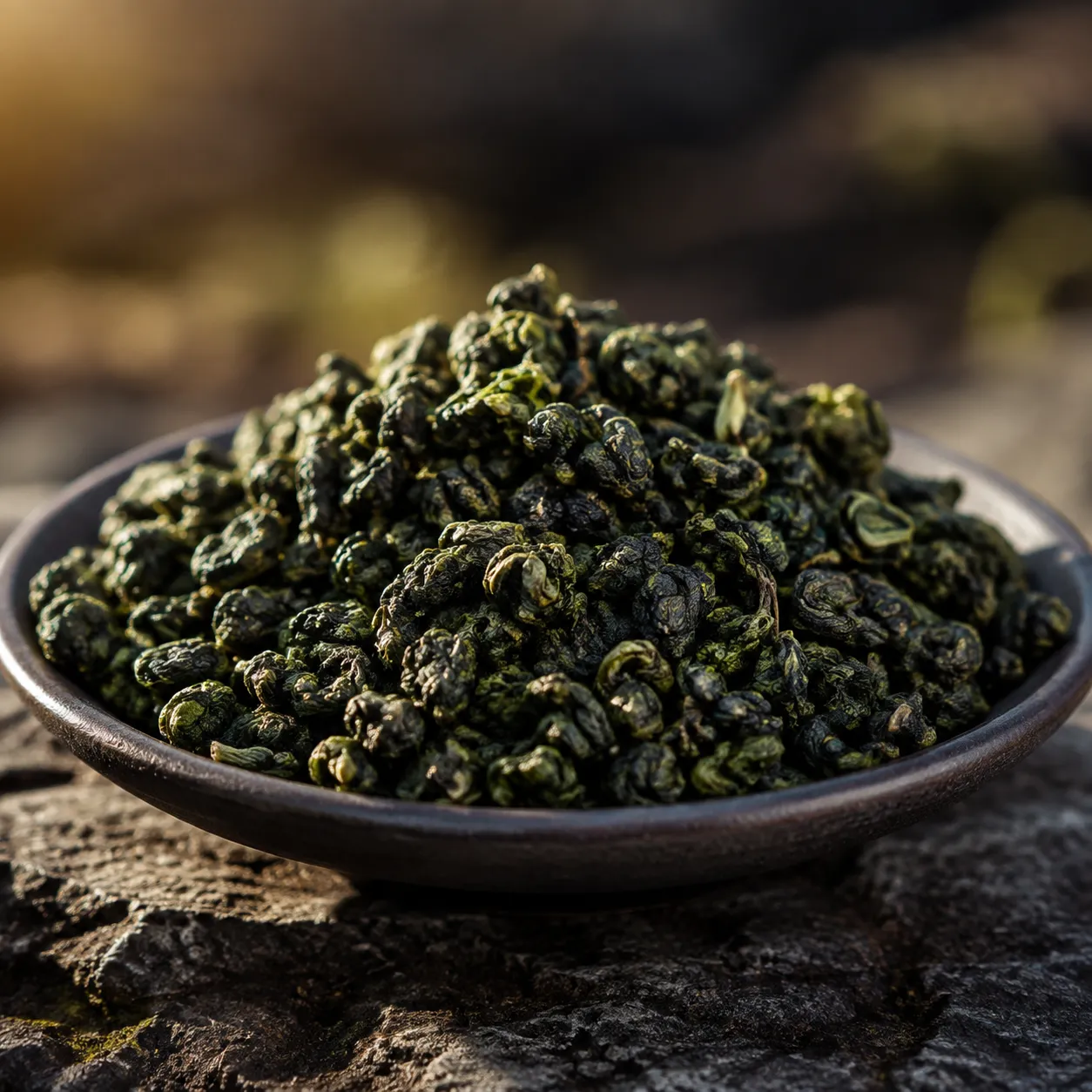
Oolong Tea 乌龙茶 wūlóng chá
The most diverse category — oxidation ranges from 10% (floral Tie Guan Yin) to 70% (roasted Da Hong Pao). Leaves are bruised, rolled, and so…
The Defining Process
How Oolong Tea Is Made
Rocking the green
摇青 — yáo qīng — 'to rock/shake the green'
The defining production step in traditional oolong is yao qing ('rocking the green') — shaking or tumbling the leaves to bruise just the edges. Oxidation begins at the leaf margins while the center stays green. The producer watches, then fixes the leaves with heat to stop oxidation at the desired point. A lightly oxidized oolong leaf shows this clearly: brown edges around a still-green center. Because the range runs from roughly 10% to 85% oxidized, 'oolong' spans from pale, floral jade oolong to dark-mahogany Da Hong Pao — one category, radically different drinks. Rock oolongs push oxidation much further, then add charcoal roasting, a step that builds depth no amount of oxidation alone can produce.
Oxidation
10-70% (partially oxidized)
Caffeine
Low-Medium
Brew Temp
185-205°F
Typical Price
$8-200+ / 100g
Straight Answers
Common Oolong Misconceptions
Oolong isn't one flavor — it spans roughly 10-85% oxidation, from floral, nearly-green jade oolong to deeply roasted Da Hong Pao.
The charcoal roast of Wuyi rock teas is a step beyond oxidation — it's what creates yan yun (岩韵, 'rock rhyme'), the mineral depth of the mountain.
Oolong's official color-category name is qing cha (青茶, 'blue-green tea') — in the six-color classification it's the 'blue' in the lineup, which is why some older translations call oolong 'blue tea'.
Ball-rolled oolongs aren't broken or poor quality — the tight pellets are how the tea is shaped, and they unfurl dramatically across 5-8+ infusions.
The one-liner: Semi-oxidized via edge-bruising; the widest category, from nearly green to nearly black.
Beyond the Mainland
The Taiwan Connection
No tour of oolongs is complete without Taiwan. The island's high-mountain (gaoshan) oolongs — from Alishan, Lishan, and Dayuling — grow above 1,000m in cool mist and are famous for a creamy, milky body and gentle floral character. Dong Ding Oolong (frozen summit) is the classic roasted style, Wenshan Baozhong the lightest, barely-oxidized oolong, and Oriental Beauty (Dongfang Meiren) an insect-bitten tea with honey and muscat notes. Taiwan's teas share the same Camellia sinensis plant and the same qing cha (blue-green) classification as mainland oolongs — which is why they show up in every 'Chinese oolong' conversation. This guide keeps its focus on the mainland's famous teas; to see how the four oolong families (Anxi, Wuyi, Dan Cong, Taiwan) differ, read the four families of oolong guide.
Related: four families of oolong · tea by region · where to start · find teas by flavour
3 Famous Oolong Teas
Our Oolong Tea Guides
Click any tea for its full page — flavor profile, exact brewing parameters, buying tips, and common scams.
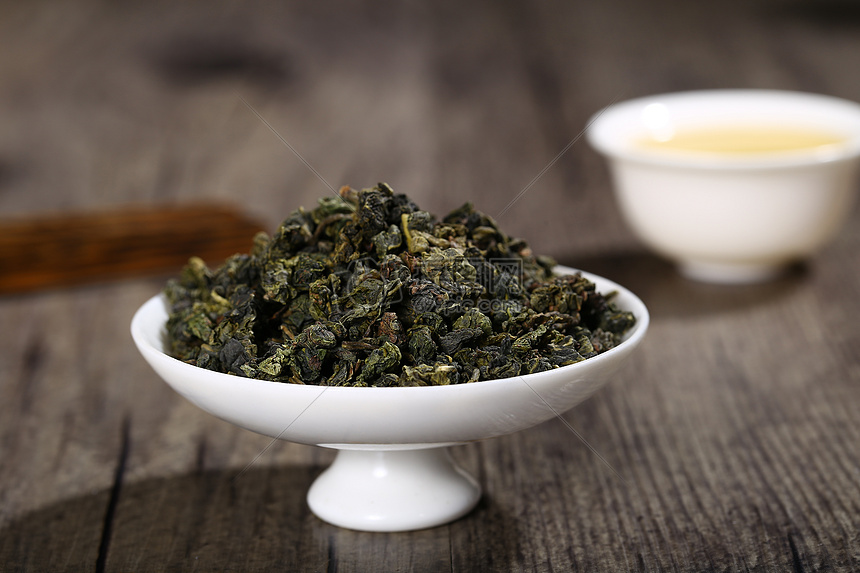 Oolong
Tie Guan Yin (Iron Goddess of Mercy) 铁观音
Anxi County, Fujian
Floral, orchid, creamy, lingering sweetness
Full guide + buying tips
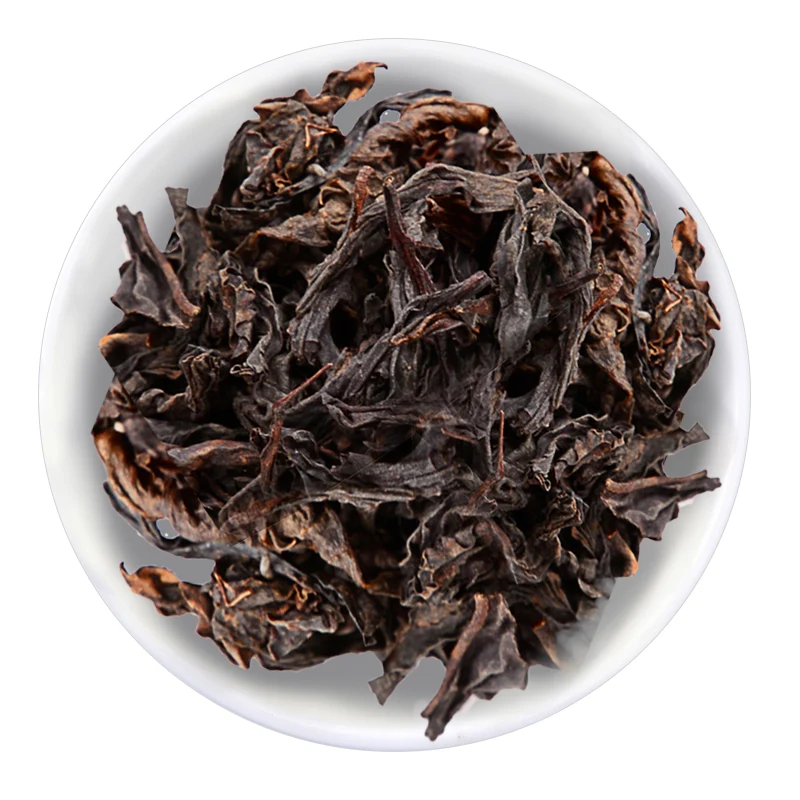 Oolong
Da Hong Pao (Big Red Robe) 大红袍
Wuyi Mountains, Fujian
Roasted, mineral, dark chocolate, rock rhythm
Full guide + buying tips
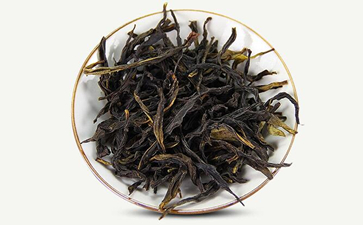 Oolong
Phoenix Dan Cong 凤凰单丛
Chaozhou, Guangdong
Peach, almond, honey, complex, natural fruit
Full guide + buying tips
Keep Exploring
The Other Five Types
Ready to Drink Better Tea?
From your first cup to your tenth infusions — everything here moves you from curiosity to a better cup.
Related Searches